Healthcare Aboard U.S.S. Olympia: 1895-1922

My Role:

Researcher and UX Designer

Responsibilities:

Historical research, user research, content design, and prototyping

Duration:

November 2024 – Present (In Progress)

Deliverables:

Design and prototype of a Guided tour on U.S. Navy Medicine in the Progressive Era

BACKGROUND

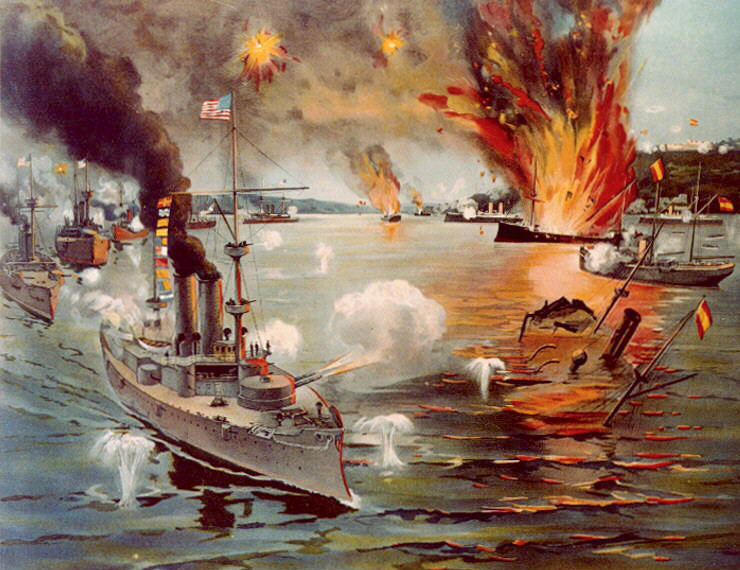
When I first started as a historic interpreter aboard USS Olympia, I was both excited and a little overwhelmed by the sheer breadth of history contained within the ship. Walking the decks of this Spanish‑American War cruiser—Dewey’s flagship—I found myself imagining the daily lives of the sailors who lived aboard her for three to five years at a time. The more I learned about the dangers of naval service, the more I wondered about the realities of illness and injury at sea.

Painting of U.S.S. Olympia during the Battle of Manila Bay
Muller, Luchsinger & Co, The Battle of Manila,1898 – Wikimedia Commons

One question kept returning to me...

What medical treatments were actually available to sailors between 1895 and 1922?

I realized I didn’t know nearly as much as I wanted to. As I moved through the ship answering visitor questions, I often passed the sick bay at the bow. Guests frequently stopped me there to ask about medical care, medicines, or how many doctors served aboard. I didn’t have satisfying answers, and I was increasingly frustrated by the dismissive explanations I sometimes heard, such as “everything was treated with mercury” or assumptions that Navy doctors were inherently incompetent.

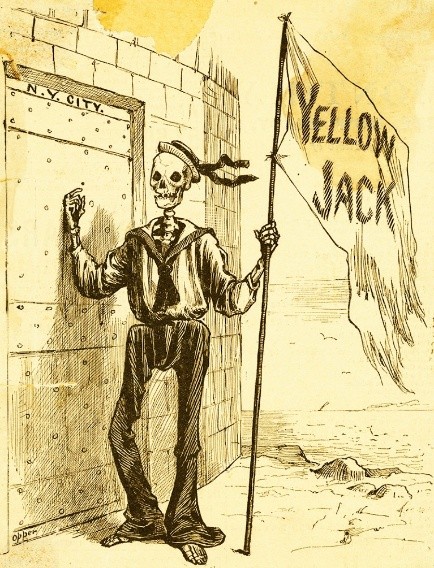
Yellow Jack – Bettmann/Getty Images via Nature Portfolio

Digging deeper...

Those gaps in knowledge made me want to dig deeper. I sensed that the ship’s medical history could be a fascinating and overlooked interpretive angle, one that could resonate with visitors in a very human way. What I didn’t realize at the time was just how far down the rabbit hole these questions would take me.

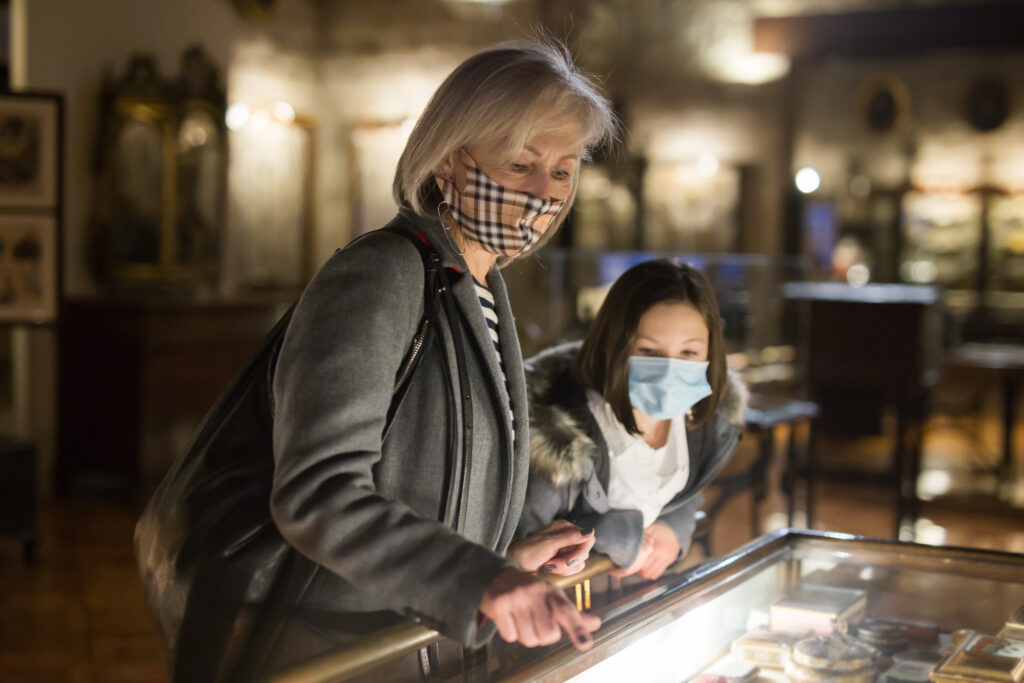
As I observed guests and answered their questions, I began to notice that not all visitors were equally engaged with the topics typically emphasized at the site. I wanted to find ways to connect with people who had casually wandered onto the historic ships, those who weren’t necessarily drawn to military or engineering history.

As I deepened my understanding of medical history, especially within the context of the ship and the U.S. Navy during this period, I uncovered areas of interpretation that were rarely discussed yet immediately compelling to visitors from a wide range of backgrounds. These conversations revealed just how much potential there was in exploring this overlooked aspect of shipboard life. This highlighted a valuable opportunity to connect with audiences the museum had long hoped to reach.

PROBLEM

How might I design an original tour that engages new audiences and emotionally resonates with visitors beyond the traditional naval-history demographic?

  • Existing tour content appeals primarily to a narrow audience: men, military enthusiasts, and engineering-focused visitors
  • Historic naval ships typically emphasize technical engineering or military focused information.
  • Visitors outside of this demographic often disengage when tours focus heavily on these topics

OPPORTUNITIES

  • Introduce under-explored narratives about shipboard life, particularly medical history, which naturally resonates with a broader demographic
  • Differentiate the site by offering unique interpretation rare among historic ships, especially for Olympia’s time period. 
  • Expand the visitor base by appealing to audiences who may be interested in medical, social, and bodily history
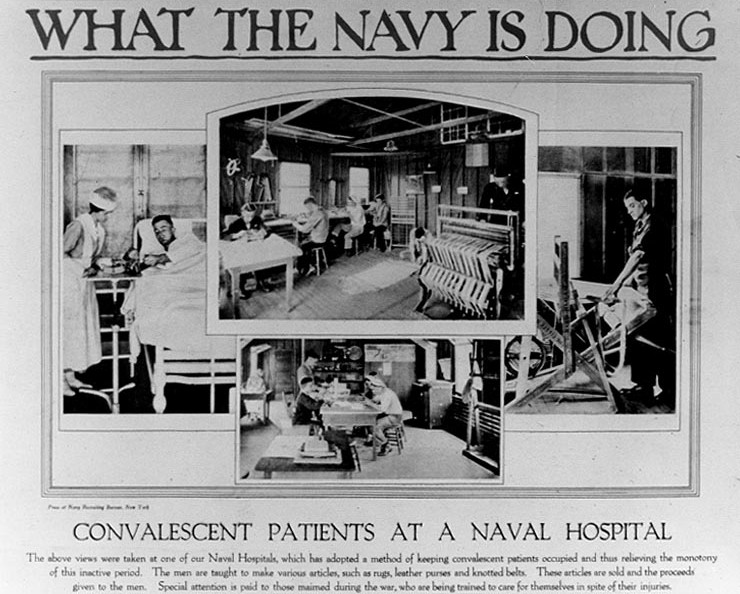
What the Navy is Doing poster from 1919
Naval Heritage and History Command

Why medical history?

  • Medical and bodily history is engaging for many people because everybody has a body and understands pain, fear, illness and vulnerability.
  • It humanizes historic military spaces which often focus more on military culture and combat
  • There is a dispensary, surgery, and sick bay on board and limited signage to paint a picture of what medical treatment was available to sailors during the period of Olympia‘s service
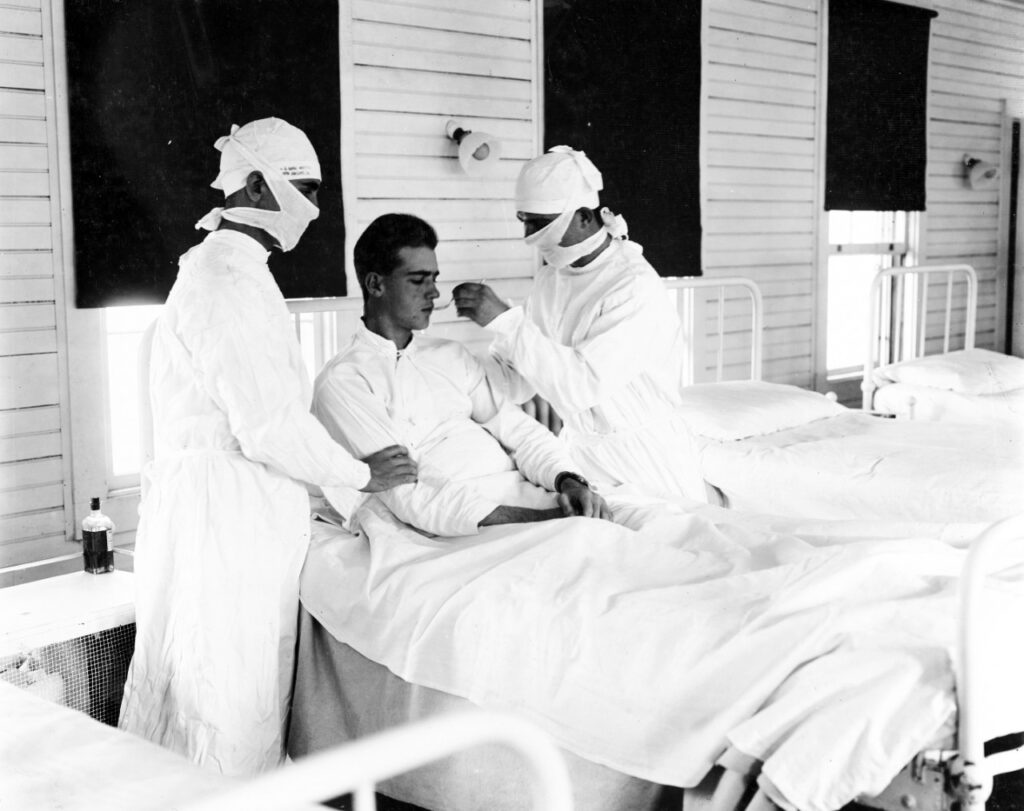
1918 US Naval Hospital New Orleans, Louisiana
U.S. Naval Hospital, New Orleans, Louisiana – Naval History and Heritage Command

BUSINESS VALUE

Medical history and medical museums continue to be popular with a wide range of visitors, and a tour focused on naval medicine would offer a perspective that is rarely covered at other historic sites. Current museum‑visitation data shows that overall attendance has returned to pre‑pandemic levels and appears stable, even though some institutions are still recovering.

A medical tour has the potential to attract new and local audiences, something the museum has been actively working toward, and would diversify interpretation in a way that aligns with broader visitor interests.

Research Methods

  • Historical research on 1890s naval medicine, using primary U.S. Navy records and secondary scholarship.
  • User research, conducted through informal interviews to identify which topics resonated most with visitors.
  • Contextual inquiry, observing how visitors naturally move through the ship and where their attention lingers.
  • Market research, analyzing museum‑industry trends, public interest in medical history, and comparable experiences such as medical museums, dark‑tourism sites, and social‑history exhibits.

HISTORICAL RESEARCH

This phase became the core of my research. I drew heavily on U.S. Navy records, supplemented by books, scholarly articles, and museum collections on the history of medicine—especially naval medicine.

To ground myself in the broader intellectual tradition, I traced medical thought back to figures like Galen and Hippocrates, trying to understand the foundations that shaped later practice. The process was challenging, but deeply fascinating.

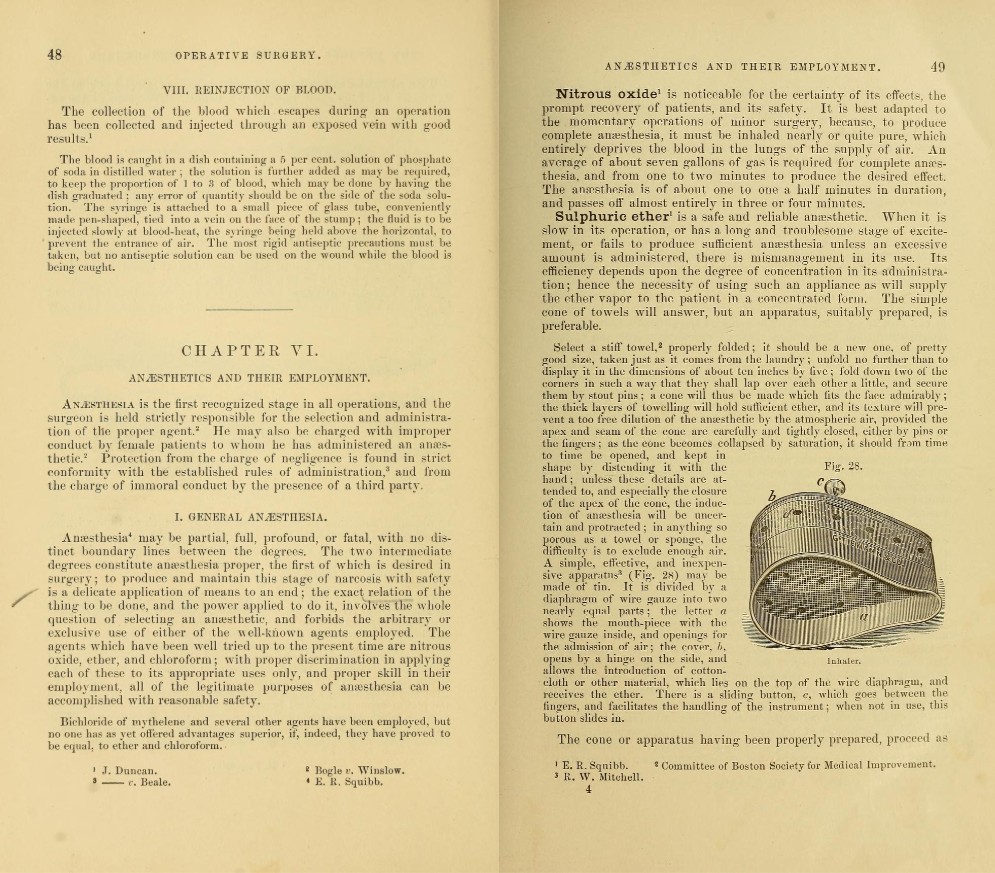
Page on Anesthesia from The Principles and Practices of Operative Surgery by Dr. Stephen Smith
Chapter on Anesthesia from The Principles and Practice of Operative Surgery by Dr. Stephen Smith – Internet Archive

USER RESEARCH

  • Talking to visitors of the USS Olympia I was able to gauge the interest in various medically-related topics. I found the most interest among women and casual visitors who had little previous knowledge or interest in ships.
  • Those who fit the demographic of visitors interested primarily in historic ships, military, and engineering were also interested and expressed that they were less familiar with this side of shipboard life.
  • Visitors who enter the bow of the ship where the dispensary, surgery, and sick bay are located are often curious about the space and the artefacts in these rooms but there is limited information available on the signage.
  • In my conversations with guests on the historic ships, casual visitors consistently engaged with medical history, often describing it as unexpected and interesting. The period of naval medicine I discussed is frequently overlooked in both military history and medical history, which made it feel fresh and relevant to visitors who might not otherwise connect with the
    site.
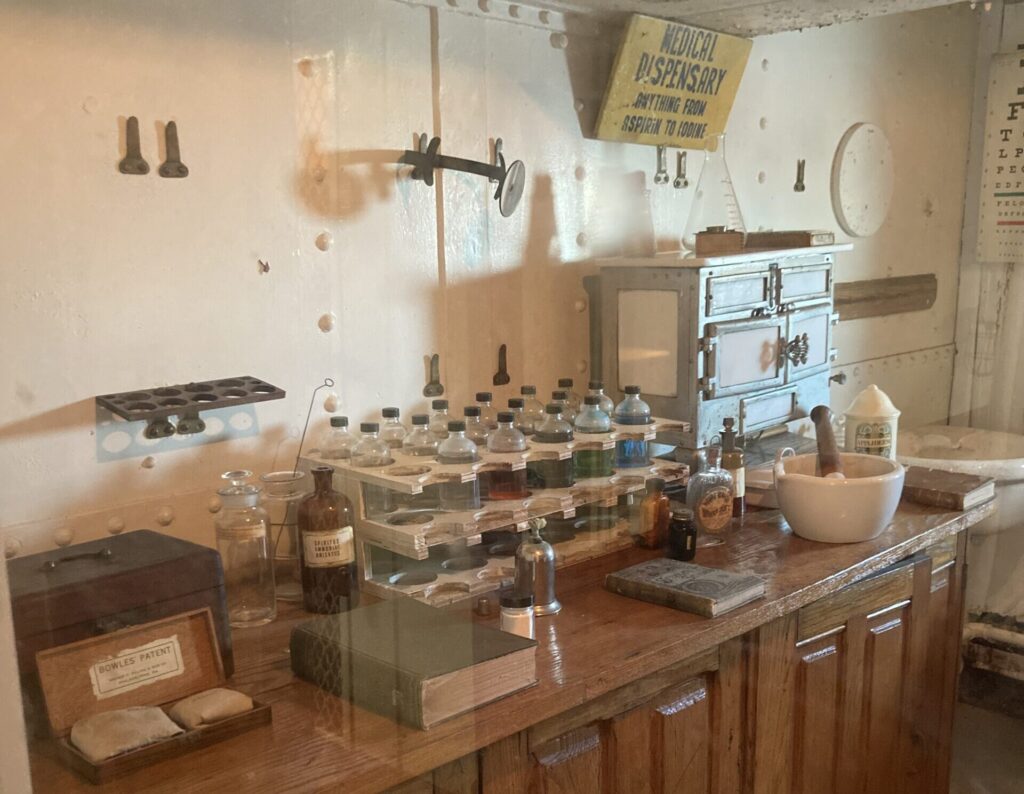
USS Olympia's Dispensary
U.S.S. Olympia's Medical Dispensary, 2025

CONTEXTUAL INQUIRY

  • Talking with guests and researching Navy medicine showed me that medical history connects to many parts of shipboard life, not just the sick bay.

  • The sick bay area is too small and uncomfortable for a long interpretive talk.

  • A tour route through the ship would follow the standard flow of visitors, keep visitors engaged, and reveal how healthcare intersects with daily routines, design choices, and lived experience on board.

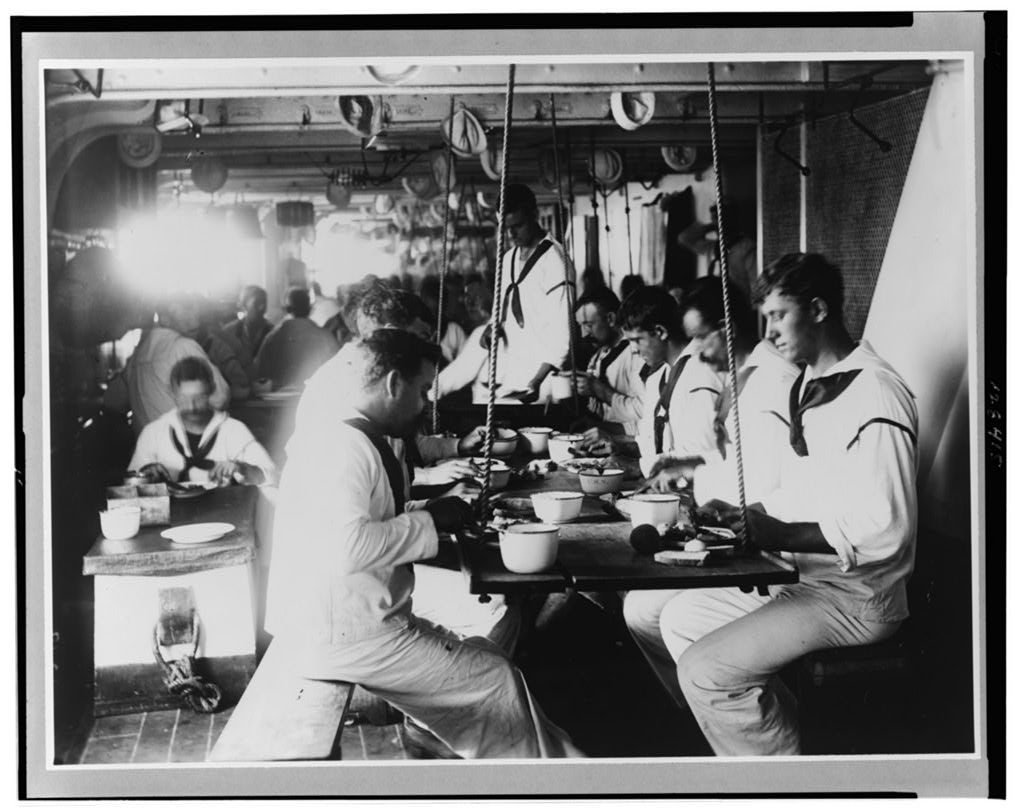
Sailors taking a meal on USS Olympia
Francis Benjamin Johnson, USS Olympia, 1899 – Library of Congress

MARKET RESEARCH

  • Museum data from the American Alliance of Museums shows that frequent visitors to history organizations are mostly older, white, and college‑educated, while casual visitors—who make up a large portion of historic ship attendance—are more diverse.
  • My observations at the historic ships reflect this: highly interested visitors are often white men, accompanied by family members with varying levels of engagement. This creates opportunities for programming that appeals to broader audiences.
  • During my 2025 visit to the Mütter Museum, I saw how medical history attracts visitors of many ages and backgrounds. Because it is human‑centered and universally relatable, medical history offers a powerful way to expand shipboard interpretation beyond military and engineering narratives.
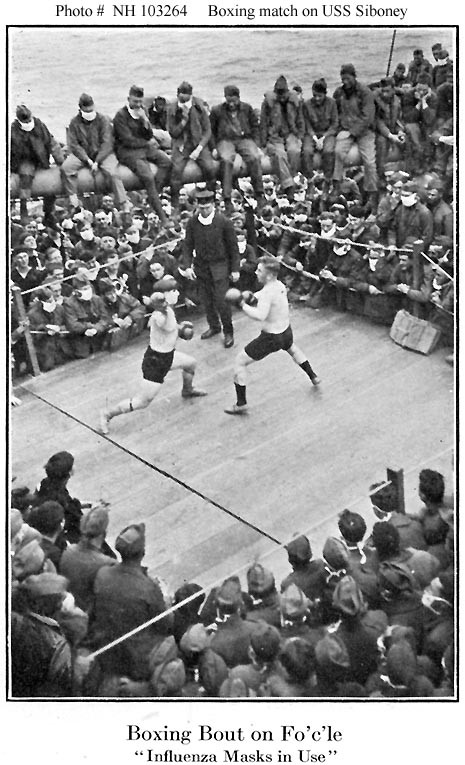
Boxing Bout on Fo'c'le Influenza Masks in Use
1918-1919 – Naval History and Heritage Command

Key Insights

  • Medical history resonates strongly with visitors who don’t typically connect with naval or military narratives, offering a powerful way to broaden audience engagement.
  • Even ship‑ and military‑focused visitors showed curiosity about medical practice because it reveals an overlooked dimension of shipboard life.
  • The sick bay area sparks interest but lacks sufficient interpretation, creating a clear opportunity for deeper storytelling.
  • Medical history’s human‑centered nature makes it accessible across demographics, aligning with broader museum trends toward inclusive, relatable content.

Design Strategy

Create a tour experience that engages both traditional naval-history audiences and visitors who are more interested in human-centered, medical, or sensory narratives. The strategy focuses on balancing historical accuracy, emotional resonance, and visitor curiosity while maintaining an intuitive flow through the ship.

1. Engage multiple audience types

  • Ship and military enthusiasts who expect technical and historical context
  • Casual Visitors who benefit from human stories and accessible explanations
  • Visitors drawn to medical history, including those curious about pathology, surgery, and the “darker” aspects of historical medicine
  • Ethically minded visitors who are interested in moral dilemmas, patient experience, and the evolution of medical standards

2. Provide Navy-specific medical context

Maintain credibility with military‑focused visitors by grounding the tour in core naval history: the development of the Navy’s medical department, the roles and responsibilities of surgeons and medical personnel, and the ways medical decisions intersected with command structure and the logistical realities of providing care at sea.

3. Capture the interest of visitors drawn to the dramatic and unsettling aspects of medical history, offering a visceral experience

Include descriptions of treatments that can appear harsh or “barbaric” by modern standards, realistic accounts of injury and treatment, such as a surgery demonstration

4. Address ethical and moral dimensions

Important to the tour is to incorporate moments that encourage reflection on the experiences of sailors aboard, the ethics of medicine at this time, and the way in which medicine was used to support colonial expansion overseas, a topic which is often overlooked when discussing the history of Olympia and the Navy at the turn of the 20th century.

Deliverables

This project is still a work in progress. Although the research and narrative structure are nearly complete, the full tour script requires final editing before it can be shared and presented.

Below is a link to the project’s abstract and outline, which provide an overview of the interpretive goals, research foundation, and planned structure of the tour.

Impact and Reflections

My goal with this project was to introduce a compelling, often‑overlooked dimension of shipboard life. I wanted to balance emotional resonance with historical rigor, create multiple entry points for diverse audiences, and use the physical environment to reinforce the narrative.

This was a substantial undertaking involving extensive primary‑source research, note‑taking, and synthesis. Much of the available material was fragmented—articles that examined narrow topics without conveying the broader context. My aim was to step back, connect those fragments, and present a clear picture of what medical care actually looked like. I approached the subject from multiple angles: medical science, engineering, military bureaucracy, and the ethical frameworks shaped by imperialism. The goal was to show how these systems intertwined.

Looking back, I’m proud of what I created. It provided more than enough depth for a tour, surfaced interesting questions, and opened pathways for further exploration. Like any interpretive work, it remains a work in progress, and one that will evolve through delivery, audience feedback, and continued refinement.

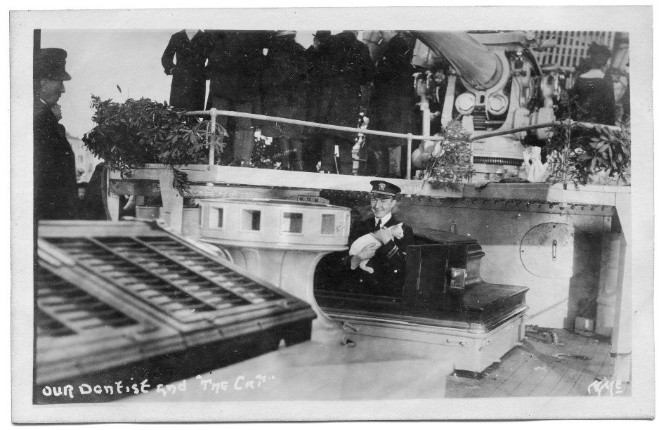
OLYMPIA's dentist and furry assistant in 1920 with the caption, "Our Dentist and the cat", 1920 – Independence Seaport Museum | Facebook

For more inquiries, or to grab a coffee, email me at [email protected].

Thank you for reading!

IMAGE SOURCES

Hero images

Luer syringe in case, late 19th century – Harvard Countway Library Center for the History of Medicine (Link)

Strychnine Sulfate Tablets – Science History Institute Museum and Library (Link)

NH 56543 USS Boston – Naval History and Heritage Command (Link)

Amputating and Surgical Bone Saws – American Civil War & Surgical Antiques (Link)

NH 60309 U.S. Naval Hospital, New Orleans, Louisiana – Naval History and Heritage Command (Link)

NH 115686 Oral surgery, U.S. Naval Dental School, Washington, D.C., 1923. – Naval History and Heritage Command (Link)

Modification Inhaler of Skinner and Charriere, of Paris – Harvard Countway Library Center for the History of Medicine (Link)

USS Olympia’s Flag – Naval History and Heritage Command (Link)

Artem, Old bottles with herbs and medicines in the pharmacy – Adobe Stock (Link)

Other images in order of appearance

Muller, Luchsinger & Co, The Battle of Manila,1898 – Wikimedia Commons (Link)

Yellow Jack – Bettmann/Getty Images via Nature Portfolio (Link)

JackF, Woman and girl – Adobe Stock (Link)

What the Navy is Doing: Convalescent Patients at a Naval Hospital – Naval Heritage and History Command (Link)

NH 60309 U.S. Naval Hospital, New Orleans, Louisiana – Naval History and Heritage Command (Link)

Chapter on Anesthesia from The Principles and Practice of Operative Surgery by Dr. Stephen Smith – Internet Archive (Link)

Erika Acuna, USS Olympia’s Dispensary, 2025

Francis Benjamin Johnson, USS Olympia, 1899 – Library of Congress (Link) 

Boxing Bout on Fo’c’le “Influenza Masks in Use”, 1918-1919 – Naval History and Heritage Command (Link)

OLYMPIA’s dentist and furry assistant in 1920 with the caption, “Our Dentist and the cat”, 1920 – Independence Seaport Museum | Facebook (Link)